
October is one of those months where lawns start showing you exactly what it needs.
The weather is warmer, growth is picking up, gardens are becoming more active again and suddenly the areas that looked “good enough” through winter can start revealing thin patches, uneven growth, compacted areas or sections that simply are not responding the way you expected.
That makes October an important month for one simple reason: it gives you time to correct small lawn problems before the full heat of summer arrives.
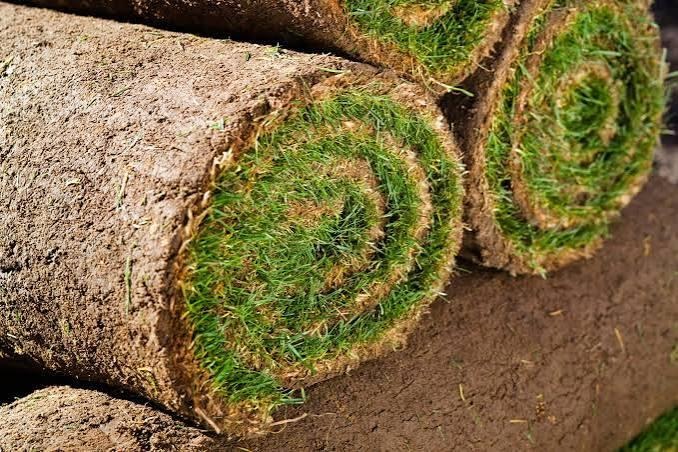
By December, many homeowners want a lawn that is green, usable and ready for entertaining.
But a great summer lawn is rarely created in December. It is usually the result of good decisions made weeks earlier.
October is the ideal time to look at your lawn honestly and ask:
These questions matter because not every lawn problem is solved by simply adding more water. Sometimes the issue is sunlight. Sometimes it is drainage. Sometimes it is soil condition. And sometimes, the grass itself may not be the best match for the area.
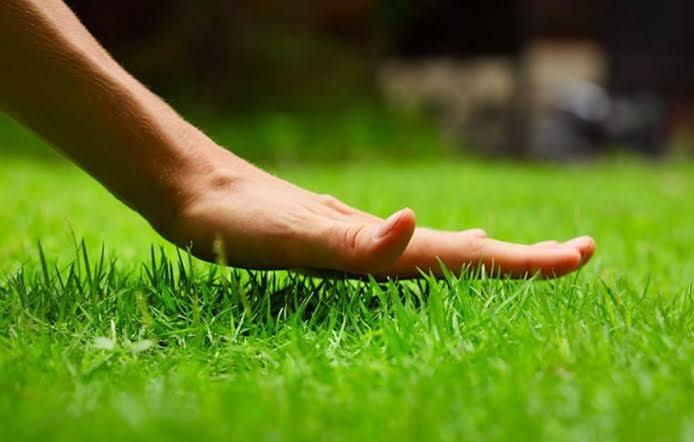
One of the most common mistakes as temperatures rise is assuming that a struggling lawn simply needs more water.
Water is essential, but the way it is applied matters. A lawn that is watered too frequently can develop different problems to a lawn that is consistently under-watered. Soil type, weather, drainage, grass variety and whether the turf is newly laid or already established all influence what your lawn needs.
The best approach is to pay attention to the condition of the lawn rather than blindly following the same routine every day.
If water is pooling, running off or failing to penetrate properly, the problem may be deeper than irrigation alone.

Even within the same property, different areas of lawn can behave differently.
One section may receive full sun for most of the day, while another sits in partial shade. An area next to paving or a wall may heat up faster. A section underneath trees may compete for moisture and light. A high-traffic route through the garden may compact more quickly than the rest of the lawn.
That is why a “one solution fits all” approach often does not work.
A better lawn starts with understanding the conditions in each part of your garden and choosing the right turf and maintenance approach for those conditions.
A lawn should not constantly feel like a battle.
Choosing the correct grass variety for your environment can make ongoing care far more manageable. When homeowners choose turf based only on appearance, problems can appear later if the lawn is not suited to the available sunlight, level of activity or growing conditions.
Before choosing turf, think about the job the lawn needs to do.
Is it primarily for appearance? Will children or pets use it daily? Does it need to cope with regular foot traffic? Does the area receive strong sunlight or limited sun?
The right choice at the beginning can save a great deal of frustration later.
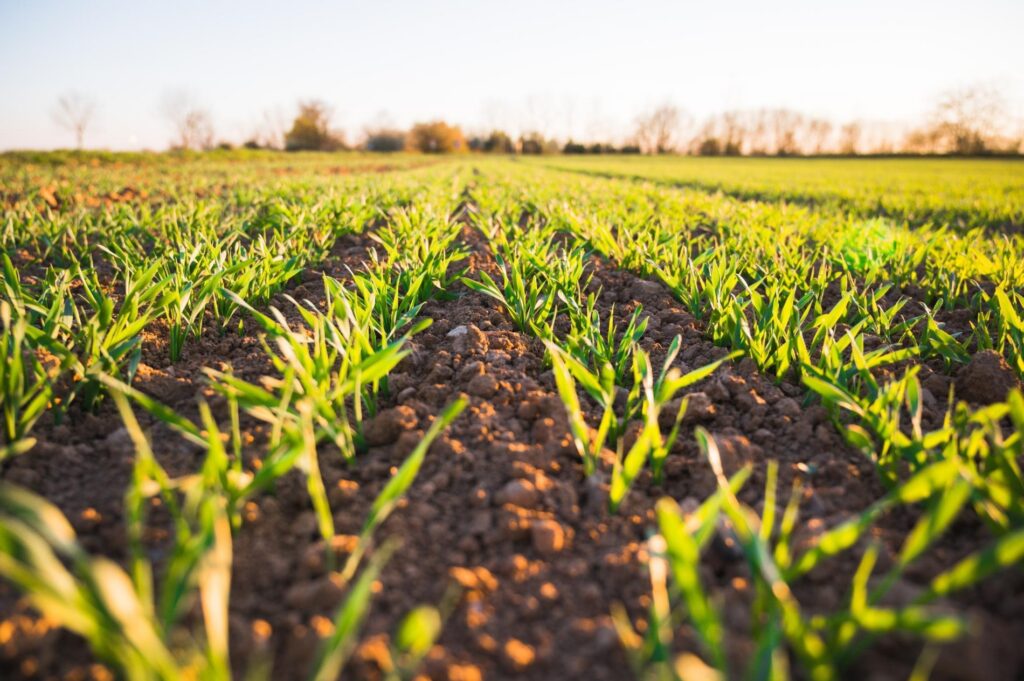
The real-versus-artificial conversation is often reduced to maintenance. But the difference is much bigger than that.
Natural grass forms part of a living landscape. It changes with the seasons, works with the soil beneath it and creates a completely different outdoor experience.
For families, schools, sports facilities and commercial properties, a natural lawn is not simply a surface. It becomes a space that is used. A place where people gather. A place where children play. A place where sport happens. A place where summer memories are made.
Artificial turf can imitate green. It cannot imitate life.
Before summer is in full swing, walk through your garden and look for a few simple signs.
Check for uneven growth, bare patches, excessive thatch, standing water, dry areas, heavy traffic zones and places where shade may have increased as surrounding plants and trees have grown.
Also look at how your irrigation is working. Sometimes a simple adjustment to watering coverage can make a noticeable difference.
Small corrections made now can help prevent larger issues later in the season.
If you are planning to install new turf before the festive season, do not leave it until the last minute.
The earlier you start planning, the more time you have to assess the space, prepare the area properly and choose a grass variety suited to your needs.
That is especially important for larger gardens, developments, schools, estates, sports areas and commercial landscapes where planning and preparation are just as important as the turf itself.
Do not wait until your lawn looks unhealthy before paying attention to it.
October is the month to observe, prepare and correct.
A few good decisions now can make the difference between constantly trying to rescue your lawn later and simply enjoying it through summer.
If you are unsure which turf variety is right for your space, or you need advice on preparing an area for new turf, speak to the Evergreen Turf team.
| READY TO GET YOUR LAWN SUMMER-READY?Call 011 948 9728 | Visit www.evergreenturf.co.zaA better summer lawn starts with understanding what is happening beneath your feet. |
#EvergreenTurf #NaturalGrass #LawnCare #SummerLawn #InstantLawn #TurfAdvice #SouthAfricanGardens